
A chiller breakdown rarely happens at a convenient time. One minute your system is running as expected, the next you are dealing with rising temperatures, stressed equipment and the risk of shutting down operations. For many businesses, a failed chiller is more than an inconvenience. It can affect product quality, workplace safety and overall productivity. This guide walks you through what to do next, so you can respond quickly, reduce disruption and keep things under control. It also explains where a portable chiller can step in as a practical backup when you need cooling without delay.
Why chiller failures cause immediate problems
Chillers play a critical role in maintaining stable temperatures across a wide range of environments. When they stop working, the impact is often immediate and can escalate quickly if not addressed. In manufacturing, temperature changes can affect product consistency and lead to waste or rejected batches. In data centres, overheating can put servers and critical systems at risk of downtime or damage. On construction sites or at events, it can make conditions uncomfortable or unsafe for workers and guests, especially during Australian summer conditions. Even a short period without cooling can create a chain reaction. Equipment may start to overheat, processes may slow down and compliance requirements may be harder to meet. In some industries, this can also lead to lost revenue, missed deadlines or reputational impact if operations are disrupted. That is why fast action matters. The sooner you respond, the more control you have over the situation and the easier it is to limit disruption.
How to respond when your chiller fails
Step 1: Confirm the issue and assess the severity
Start by checking your system for alerts, alarms or visible signs of failure. In some cases, the chiller may not have stopped completely but could be running below capacity. Understanding the extent of the issue helps you decide how urgent your response needs to be. A full shutdown in a high-demand environment requires immediate action, while a partial issue may give you a short window to plan your next steps.
Step 2: Protect people, products and equipment
Once the issue is confirmed, your priority is to minimise risk. If temperatures are rising quickly, consider shutting down sensitive equipment to prevent damage. Move any temperature-sensitive products if possible, especially in industries like food production or pharmaceuticals. Creating even a temporary buffer can help reduce losses while you organise a solution.
Step 3: Contact your HVAC technician or maintenance team
Reach out to your technician or service provider as soon as possible. Early diagnostics can help identify the cause, which may include electrical faults, compressor issues or refrigerant problems. At this stage, it is important to get a realistic idea of repair timeframes. Some issues can be resolved quickly, but others may take longer due to parts availability or more complex repairs.
Step 4: Arrange temporary cooling immediately
If repairs are not instant, arranging temporary cooling becomes essential. This is where a portable chiller offers a practical solution. Hiring a portable chiller allows you to restore cooling quickly without committing to a permanent replacement. It helps maintain operations, protect assets and avoid costly downtime.
Step 5: Plan for setup and integration
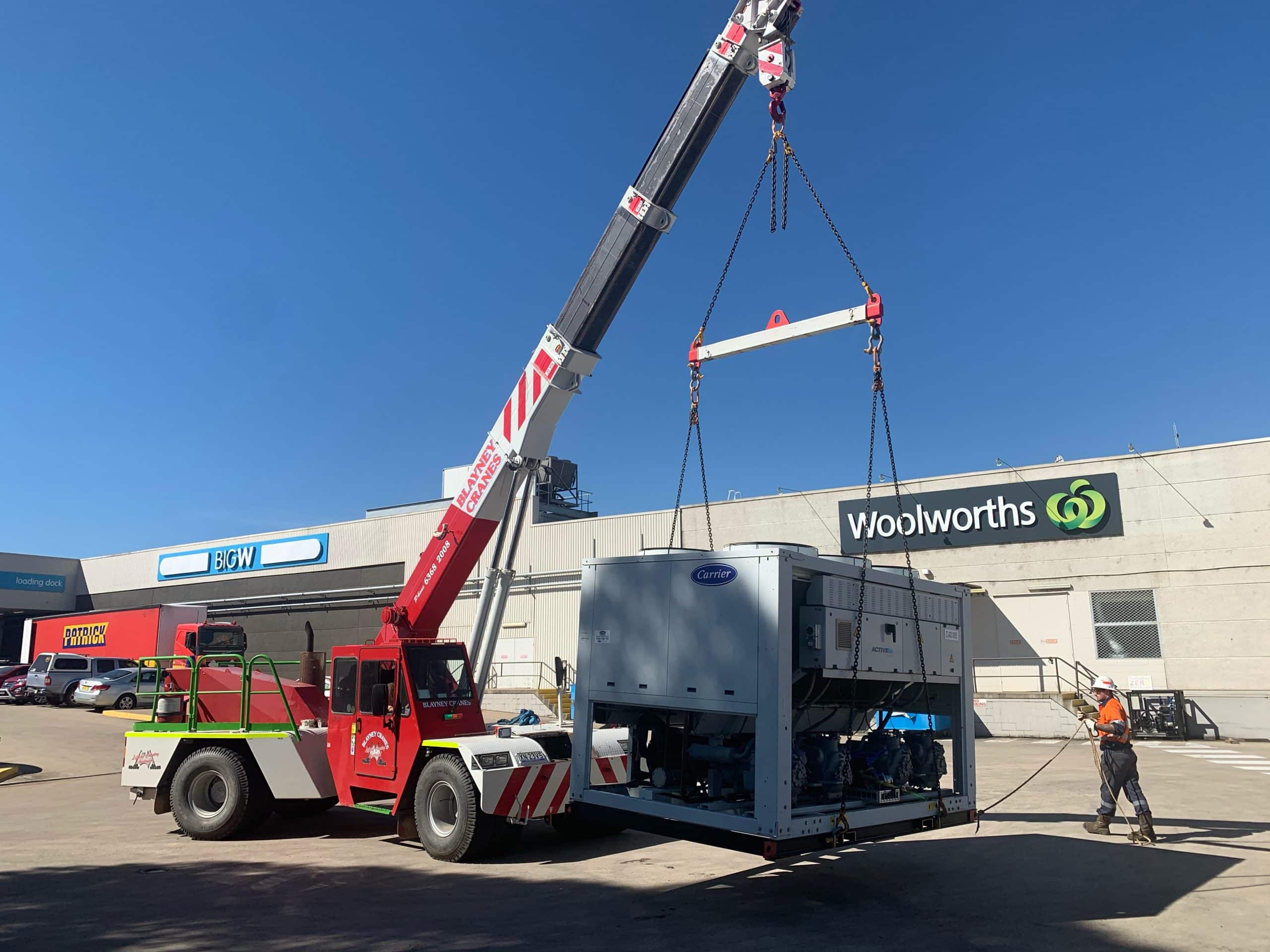
Once a portable chiller is on the way, prepare your site for installation. This includes checking available space, confirming power supply and identifying connection points. Coordination between your team and the supplier ensures the system is set up correctly.
Step 6: Monitor performance and stabilise operations
After installation, keep a close eye on temperature levels and system performance. Monitoring helps you confirm that the temporary setup is meeting your requirements. If needed, capacity can be adjusted to suit changing conditions. The goal is to stabilise operations and keep everything running while your permanent system is being repaired.
Step 7: Review and prevent future failures
Once the immediate issue is resolved, take time to review what happened. Regular maintenance checks can help reduce the risk of future breakdowns. It is also worth putting a response plan in place. Knowing who to contact and what steps to follow can save valuable time if another issue occurs. Having access to temporary cooling options can also give you added peace of mind.
Get portable chiller support with Active Air Rentals
When cooling cannot wait, having the right support makes all the difference. Portable chiller hire from Active Air Rentals gives you a fast and reliable way to restore cooling and keep your operations moving. With national coverage, well-maintained equipment and experienced technicians, we help businesses across Australia respond quickly to breakdowns and keep operations running. From initial setup to ongoing support, you have a team working with you every step of the way. Speak with Active Air Rentals today to arrange a portable chiller or request a quote for your site.