
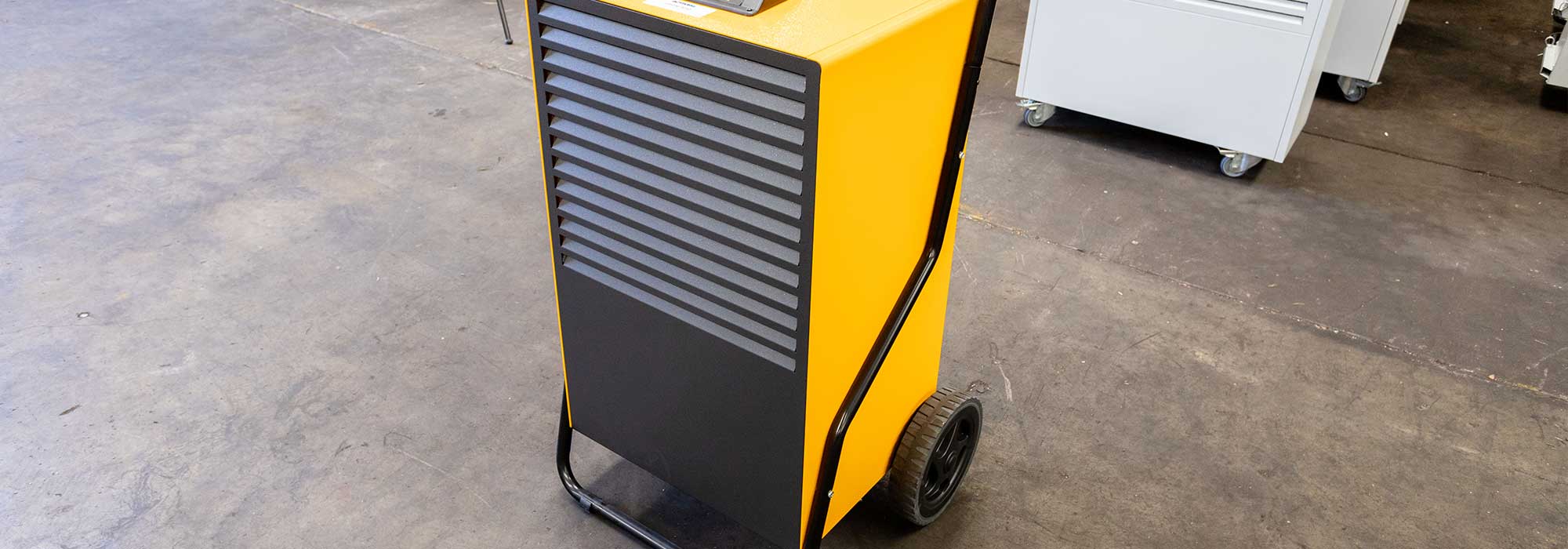
If your property is feeling uncomfortably damp or clammy, it may be a sign that excess moisture is starting to affect not just your indoor environment but potentially building materials as well. A dehumidifier can help restore balance by removing moisture from the air, reducing that heavy, sticky feeling and helping prevent further damage.
Reliable dehumidification rental solutions offer a way to steadily extract moisture and stabilise conditions, all without the high upfront cost of purchasing commercial equipment. In this guide, we explain when to rent a dehumidifier, how to choose the right type for your environment and what to expect throughout the rental process.
Do you need to rent a dehumidifier ?
You should rent dehumidifier equipment if your facility shows signs of persistent condensation and musty odours. These indicators suggest that ambient humidity levels have exceeded safe thresholds for your building’s materials or processes.
In Australia’s varied climate, you may also need to hire an industrial dehumidifier for the following operational challenges:
- Construction drying: Rapidly remove moisture from new concrete or plaster to keep your project on schedule.
- Flood recovery: Dry out damp carpets and building materials after a leak or storm by removing moisture from the surrounding air, which allows soaked structures to dry much faster.
- Process control: Maintain precise humidity levels for sensitive manufacturing or pharmaceutical storage.
How do you choose between a refrigerant and a desiccant dehumidifier rental?
The choice between refrigerant and desiccant models depends primarily on the ambient temperature of your space and the target humidity level. Refrigerant units are ideal for warm, humid conditions, while desiccant units excel in cooler environments or when very low humidity is required.
Technology
Best Use Case
Performance Profile
Refrigerant
Warm, humid environments
Highly efficient at higher temperatures; draws air over cold coils to condense water.
Desiccant
Cool environments or very low humidity
Uses chemical attraction to pull moisture from the air; ideal for sub-zero or deep drying.
For standard Australian commercial applications, a refrigerant dehumidifier rental is often sufficient for bulk moisture removal. However, for specialised industrial drying or cold storage, a desiccant unit may be required to reach much lower dew points effectively.
Step-by-step process to rent dehumidifier equipment
Follow this streamlined process to ensure your dehumidification rental is technically suited to your site requirements.
- 1. Consultation: Assess the required drying capacity based on the room’s size. If you aren’t sure how much power you need, rental providers can help calculate the right size equipment for your space.
- 2. Selection: Match the unit to the site’s power availability and physical floor space.
- 3. Logistics: Coordinate delivery to the site to ensure the equipment arrives ready for immediate use.
- 4. Commissioning: Ensure the unit is positioned for optimal airflow and proper drainage.
Short-term vs. long-term dehumidification rental options
Short-term dehumidification rental is best for immediate emergencies like flood recovery, while long-term options provide ongoing humidity control for seasonal spikes. Most dehumidifier rental providers offer adaptable terms, ensuring you only pay for the equipment while you actually need it and keeping your cleanup costs to a minimum.
Questions to ask your dehumidifier rental provider
- What type and size of dehumidifier do I need for my space? Sharing the room’s dimensions and the extent of the moisture helps providers select the right model capacity.
- How long will it take to see noticeable results? Depending on the severity of the dampness, drying times typically range from a few days to a week.
- How does the unit drain, and will I need to empty it manually? It’s important to know if the machine uses a pull-out water tank or if it can be set up to drain continuously.
- What are the rental rates, and is delivery included? Confirming daily or weekly pricing, along with transport or setup fees, keeps your project on budget.
- What happens if the equipment stops working? Ask about their troubleshooting support and how quickly they can supply a replacement unit if needed.
Before finalising your rental, asking the right questions ensures you get the most effective equipment for your specific needs. Clarifying these details upfront prevents technical delays and helps the drying process run as efficiently as possible.
Choose Active Air for hassle-free dehumidifier rental setup
When you partner with Active Air, you receive an end-to-end service rooted in technical expertise. Our technicians handle the heavy lifting, ensuring the equipment is installed safely and configured for maximum extraction.
Active Air provides a clear walkthrough of the controls, so your team can monitor the drying process with confidence. With 24/7 support and no hidden charges, we ensure your project stays dry and on track. Contact us today for a tailored dehumidification rental quote.